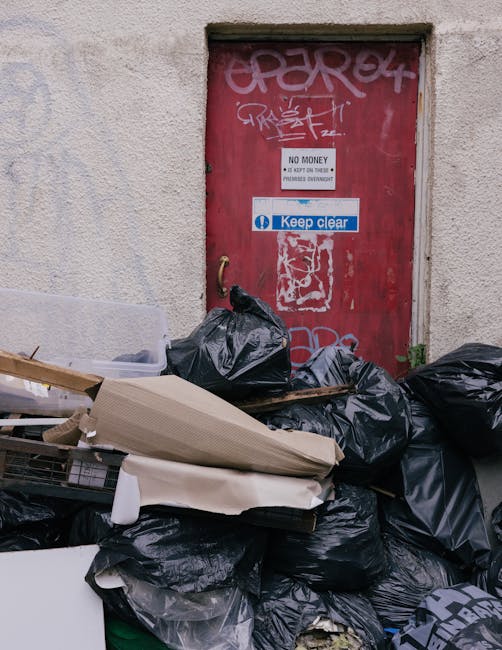
Flat clearance rubbish service Granary Square Kings Cross

If you are staring at a flat full of unwanted items near Granary Square, you probably want the same three things: speed, care, and no hassle. A Flat clearance rubbish service Granary Square Kings Cross is designed for exactly that. It helps with everything from a single bulky item to a full flat clearance after a move, a tenancy end, a refurbishment, or a difficult life change. And yes, it can feel like a lot at first. Let's face it, clearing a flat in central London is rarely just about rubbish. It is about stairs, tight hallways, parking, neighbours, and time.
This guide explains how flat clearance works, what to expect in the Granary Square and King's Cross area, how to avoid common mistakes, and how to choose the right approach for your situation. You will also find practical tips, a comparison table, a checklist, and answers to the questions people ask most often.
- Why this service matters
- How the service works
- Key benefits and practical advantages
- Who it is for and when it makes sense
- Step-by-step guidance
- Expert tips for better results
- Common mistakes to avoid
- Tools, resources and recommendations
- Law, compliance, standards and best practice
- Options, methods, and comparison
- Case study or real-world example
- Practical checklist
- Conclusion
- Frequently asked questions
Why Flat clearance rubbish service Granary Square Kings Cross Matters
Granary Square and the wider King's Cross area are busy, mixed-use, and often awkward for waste removal. Many flats are in managed blocks, converted buildings, or developments with shared entrances and limited access. That matters more than people think. A sofa might fit in your living room, but getting it out through a narrow corridor at 8:30 in the morning? Different story entirely.
A good flat clearance rubbish service makes the process simpler by handling the lifting, sorting, loading, and disposal in one visit where possible. That reduces the stress on you and helps keep communal areas tidy. It also matters because waste left in shared spaces can cause complaints, block access, and create safety issues for residents and building staff.
There is also the environmental side. Not everything should simply be thrown away. A proper clearance service will separate reusable items, recyclable materials, and anything that needs special handling. If you care about doing things properly, that is a big deal. And most people do, once they have a minute to breathe.
Expert summary: In a place like Granary Square, the best flat clearance is not the one that removes the most stuff in the quickest way. It is the one that does it neatly, safely, and with the least disruption to you and everyone else in the building.
How Flat clearance rubbish service Granary Square Kings Cross Works
The process is usually straightforward, but the details matter. A reliable clearance service starts by understanding what needs removing, where it is located, and whether there are access limits. In flats, those details make or break the job. For example, a second-floor walk-up with no lift is very different from a modern apartment with service access.
Most clearances follow a similar pattern:
- Initial discussion: You describe the items, the flat size, and any access issues.
- Quote or estimate: A price is provided based on the volume, labour, item type, and disposal requirements.
- Arrival and assessment: The team checks the load, confirms what is being removed, and plans the safest route.
- Removal and loading: Items are carried out carefully, often with protective handling for walls, floors, and communal spaces.
- Sorting and disposal: Items are separated for recycling, donation where suitable, or responsible disposal.
Sometimes a flat clearance is simple: old furniture, broken appliances, and some bagged rubbish. Sometimes it is more involved. Think end-of-tenancy clear-outs, probate situations, or flats that have accumulated years of clutter. In those cases, the service needs a bit more planning, and a bit more patience too.
If you are dealing with furniture-heavy rooms, it may help to look at related services such as furniture clearance and mattress and sofa disposal for items that are awkward, heavy, or too large for normal collection.
Key Benefits and Practical Advantages
The appeal of a flat clearance service is not just convenience, although that is a big one. The real value is in how much smoother the whole job feels when handled properly. You are not hiring muscle alone; you are buying time, coordination, and less risk of damage or delays.
- Fast turnaround: Useful when you need a flat cleared before checkout, a handover, or an incoming tenant.
- Less physical strain: Heavy lifting is no joke, especially up stairs or through tight corners.
- Cleaner communal areas: No dragging items through the building for longer than necessary.
- Better sorting: Recyclable items, reusable furniture, and general waste can be separated properly.
- Reduced stress: It is easier to make decisions when the removal itself is taken care of.
There is also a quiet financial benefit. A tidy, efficient clearance can help avoid avoidable charges or delays from landlords, agents, or building managers if items are removed on time. Nobody wants a last-minute scramble with bins overflowing and the lift booked for the next hour.
For readers comparing options, it is worth understanding how a broader waste removal service differs from a specialised flat clearance. Waste removal can suit mixed loads, while flat clearance is usually better for whole-room or whole-property clear-outs in residential settings.
Who This Is For and When It Makes Sense
This service is for anyone who needs a flat cleared quickly and responsibly in or around Granary Square and King's Cross. That includes private renters, landlords, letting agents, homeowners, executors handling an estate, and people in the middle of a move or renovation. Truth be told, most people only realise how useful it is when they are already surrounded by boxes and old furniture.
Common situations include:
- end-of-tenancy clear-outs
- after a house move when items are not worth keeping
- probate or estate clearances
- flat refurbishments and pre-sale preparation
- downsizing from a larger home into a smaller apartment
- clearing long-term clutter in a shared building
It also makes sense if your flat contains mixed items and you do not want to sort them all yourself. For example, a single room might hold broken flat-pack furniture, an old mattress, a small fridge, and several bags of mixed rubbish. That is the sort of load where a professional approach saves a lot of back and forth.
In properties with awkward layouts, a service that understands residential access can be especially helpful. If you are dealing with multiple rooms or the whole property, the wider flat clearance option may be a better fit than trying to piece together separate removals.
Step-by-Step Guidance
Here is the simplest way to approach a flat clearance without making it harder than it needs to be.
- Walk through the flat first. Make a quick list of what is going, what is staying, and what needs special handling.
- Separate obvious valuables. Documents, keys, chargers, jewellery, cash, and personal keepsakes should be put aside early. It sounds obvious, but people miss things when they are stressed.
- Identify bulky or awkward items. Sofas, wardrobes, mattresses, appliances, and dismantled furniture often take the most planning.
- Check access issues. Note stairs, lifts, parking restrictions, concierge rules, or time limits for loading.
- Ask about restricted items. Items like fridges, appliances, and anything potentially hazardous may need separate handling.
- Book a suitable time slot. Choose a time that works for your building and avoids peak disruption where possible.
- Keep pathways clear. It saves time and reduces the chance of knocks and scrapes.
- Confirm final sign-off. Before the team leaves, do one last room check. Kitchens and under-bed storage are the classic places for forgotten bits.
A useful habit is to photograph each room before the clearance starts. Not because you expect trouble, but because it helps you remember what was there and gives a clean before-and-after reference. Handy for landlords, agents, and anyone who likes a bit of order.
Expert Tips for Better Results
In our experience, the best clearances are the ones that are prepared just enough, not overcomplicated. A few small decisions up front make the work easier and the outcome better.
- Group items by type. Put furniture, loose waste, appliances, and recyclables into rough categories if you can.
- Measure large items. A few minutes with a tape measure can prevent headaches when getting a wardrobe through a narrow landing.
- Tell the team about access early. Don't leave out the small stuff: key codes, lift restrictions, loading bays, and quiet hours all matter.
- Keep fragile items separate. Glass, ceramics, and electronics are easier to handle when they are not mixed into general rubbish.
- Plan for special waste. Appliances, sharp objects, and anything chemical-based should be flagged before the job begins.
If your clearance includes appliances, you may want to read more about fridge and appliance removal. For items like battered armchairs or worn-out sofas, the right disposal method saves time and avoids the usual awkward shuffle through the hallway.
One more small tip: keep tea and coffee out of the way until after the job. Spilled drinks on a moving day are never welcome. Never.
Common Mistakes to Avoid
Most flat clearance problems are avoidable. The issue is usually not the rubbish itself, but the planning around it. A little care at the start saves a surprisingly large amount of trouble later.
- Underestimating the volume: A flat can look "almost empty" until you start removing the heavy stuff.
- Forgetting access rules: Some buildings are stricter than they first appear, especially around shared entrances and loading.
- Mixing restricted items with general waste: That can slow the job down and may create compliance issues.
- Leaving sorting until the last minute: Personal items and documents are easier to find when you sort them before the crew arrives.
- Choosing the wrong service for the job: A full flat clearance is not always the same as general waste removal, and that difference matters.
Another easy mistake is not checking what can be handled together. If your flat contains garden chairs, loft storage boxes, broken furniture, and old electronics, the job may need broader planning. In those cases, services such as home clearance or house clearance can sometimes be more suitable depending on the scale and layout of the property.
And yes, clutter multiplies in the dark. You open one cupboard and suddenly there is another box from 2019. Somehow.
Tools, Resources and Recommendations
You do not need specialist equipment for every job, but a few basics help the process go more smoothly. Think practical, not fancy.
- Strong bin bags: Useful for lightweight mixed waste and soft items.
- Marker pen and labels: Great for marking items to keep, donate, or remove.
- Tape measure: Helpful when moving bulky furniture or checking whether something can fit through a doorway.
- Gloves: Good for dusty storage spaces, old cardboard, or sharp edges.
- Basic screwdriver or Allen key set: Handy if beds, tables, or wardrobes need partial dismantling.
When deciding between clearance options, use the job itself as your guide. If the flat contains mostly furniture, furniture disposal may help. If it is broader and includes rooms, cupboards, and mixed waste, a dedicated flat clearance is usually simpler. For business-related contents or workspace items, the relevant route may be business waste removal or, for office content, office clearance.
For customers who like a straightforward next step, booking and quote information is usually the best place to start. You can review pricing and quotes if you want to understand how the service is typically assessed before booking.
Law, Compliance, Standards, or Best Practice
Flat clearance in London is not just a logistics task. There are practical duties around safe handling, lawful disposal, and respect for shared property. You do not need to be an expert in waste law to make the right choice, but you do need to choose a service that treats it seriously.
Best practice usually includes:
- sorting reusable and recyclable items where possible
- handling bulky items without causing damage to the building
- dealing responsibly with appliances and any potentially hazardous items
- protecting personal data if papers or storage media are present
- being clear about what is included before work begins
If a flat includes sharp, chemical, or otherwise risky materials, specialist handling may be needed. That is where a page such as hazardous waste disposal becomes relevant, even if only for a small part of the clearance. Better to pause and check than to guess. A rushed decision here can be a real nuisance.
It is also sensible to review a provider's safety and standards approach. Pages like health and safety policy, insurance and safety, and recycling and sustainability help show how a business thinks about risk, responsible disposal, and environmental care. That does not guarantee every job will be perfect, of course, but it is a useful trust signal.
For householders who are trying to reduce what goes into mixed waste streams, it can also help to understand the basics of what can go in a skip, even if you are not hiring a skip. The principles are often similar: separate the awkward items, avoid prohibited materials, and keep the load as organised as possible.
Options, Methods, or Comparison Table
If you are deciding how to clear a flat, the best method depends on speed, volume, access, and how much sorting you want to do yourself. Here is a simple comparison.
| Method | Best for | Pros | Trade-offs |
|---|---|---|---|
| Flat clearance service | Whole flats, mixed items, time-sensitive clear-outs | Fast, organised, practical, good for awkward access | Usually best when you want hands-off removal rather than DIY sorting |
| General waste removal | Mixed rubbish or smaller loads | Flexible and simple for partial clearances | May be less suited to full-room or whole-property jobs |
| Furniture-specific disposal | Sofas, beds, wardrobes, bulky furniture | Efficient for large items, often quicker to load | Less ideal if the flat also contains lots of small mixed rubbish |
| DIY disposal | Very small loads and simple jobs | Can work if you have time and transport | Physical effort, parking issues, and multiple trips can make it messy fast |
To be fair, DIY is fine for a few bin bags and a lamp. But once you are dealing with a mattress, a broken wardrobe, and three bags of mixed clutter, the time cost starts to creep up. That is where a professional flat clearance feels less like a luxury and more like common sense.
Case Study or Real-World Example
Consider a typical flat near Granary Square after a tenancy ends. The property contains a sofa, a bed frame, a mattress, a small table, a broken chair, several black sacks of mixed rubbish, and a fridge in the kitchen. There are also a few loose items in a storage cupboard, plus a narrow hallway and a shared lift that cannot be blocked for long.
A sensible clearance plan would begin with separating personal belongings, then identifying the furniture and appliance items first. The team would need to protect the route out of the flat, work in a tidy sequence, and remove the larger items before dealing with the smaller waste. The fridge may need separate handling, while the sofa and mattress can often be removed together under a furniture-focused route. Nothing fancy. Just organised.
The benefit here is obvious: the flat is cleared with less back-and-forth, the hallway is kept neat, and the tenant or landlord can move straight to inspection, cleaning, or repairs. If the job also includes leftover office paperwork or confidential material, then a separate service such as confidential shredding may be relevant as part of the wider tidy-up.
What matters most in this kind of real-world clearance is not speed alone. It is sequencing. Do the job in the right order, and the whole thing becomes calmer almost immediately.
Practical Checklist
Use this checklist before the clearance team arrives. It keeps the day simple.
- Remove personal valuables and important documents
- Decide what stays and what goes, room by room
- Separate bulky furniture from loose rubbish
- Flag appliances, sharp items, and any special waste
- Check lift access, stairs, parking, and entry instructions
- Tell neighbours or building management if needed
- Make sure pathways are clear
- Confirm any time restrictions for noise or loading
- Take quick photos if you want a record of the rooms
- Do one final sweep of cupboards, shelves, and under beds
If the clearance is part of a larger move or property project, you may also want to look at related services such as loft clearance, garage clearance, or builders waste clearance where the contents fit that kind of job better. Sometimes the right answer is not one service, but the right combination of them. That is normal.
Get a free quote today and see how much you can save.
Conclusion
A Flat clearance rubbish service Granary Square Kings Cross is about more than taking things away. It is about making a cramped, time-pressured, sometimes emotional job feel manageable. In a busy part of London, that matters a lot. The best service handles access carefully, sorts items responsibly, and keeps the process clear from start to finish.
If you prepare well, ask the right questions, and choose a service that understands residential clearances, the whole experience becomes much easier. You clear the space, protect the building, and move on without the usual noise and chaos. Which, honestly, is what most people want in the end.
And if the flat has been hanging over you for weeks, there is a real relief in finally seeing the floor again. Small victory, but a proper one.
Frequently Asked Questions
What does a flat clearance rubbish service in Granary Square Kings Cross usually include?
It usually includes the removal of unwanted household items from a flat, such as furniture, bagged rubbish, appliances, and mixed clutter. Some jobs are simple; others need more sorting and careful access planning.
How is flat clearance different from general rubbish removal?
Flat clearance is usually more suited to residential spaces, especially when whole rooms or whole properties need clearing. General rubbish removal is often better for smaller, mixed loads. The right choice depends on volume, access, and how much you want removed in one visit.
Can bulky furniture be removed from a flat with stairs or no lift?
Yes, in many cases. The key is planning. Stair width, corners, shared access, and item size all matter, so it helps to mention these details before booking. A wardrobe that looks fine in the bedroom can be a different story on the landing.
What should I remove before the clearance team arrives?
Keep personal belongings, important paperwork, valuables, medicines, and anything you definitely want to keep out of the clearance area. That makes the job faster and reduces the risk of accidental removal.
Can I include old appliances in a flat clearance?
Often yes, but appliances may need separate handling depending on type and condition. Fridges, freezers, and other large appliances should be flagged in advance so the correct collection method can be arranged.
How long does a flat clearance normally take?
It depends on the size of the flat, the amount of waste, and the access. A small partial clearance may be fairly quick, while a full flat clearance with lots of furniture and awkward access will take longer. It is best not to guess.
Do I need to sort recyclables before booking?
No, not necessarily. A good service will usually sort items during the clearance process. That said, separating obvious recyclables or reusable items beforehand can make the job smoother and more efficient.
What happens to items after they are removed?
Responsible services typically sort items for reuse, recycling, and disposal where appropriate. Reusable items may be diverted if suitable, while other materials are handled according to their type and condition.
Is flat clearance suitable for end-of-tenancy situations?
Absolutely. It is one of the most common reasons people book a clearance. It helps tenants, landlords, and letting agents get the flat ready for inspection, cleaning, or new occupants without unnecessary delay.
What if the flat contains items that might be hazardous?
Those items should be highlighted before the job begins. Some materials require special handling, so it is safer to identify them early than to mix them into general waste. If in doubt, ask before collection day.
Can a flat clearance be combined with other services?
Yes. Depending on the property, you might combine it with furniture disposal, appliance removal, or broader home clearance support. It really depends on what is in the property and how much needs to go.
How do I prepare for a clearance in a managed building near Granary Square?
Check building access rules, lift availability, loading restrictions, and any quiet hours. If needed, tell concierge staff or neighbours in advance. A bit of communication helps the day run more smoothly and avoids awkward surprises.
What is the best first step if I want to arrange a clearance?
Make a simple list of the items to be removed, note any access restrictions, and review the service and pricing information. Then decide on the most suitable booking option for your flat and timing.