Complaints Procedure — Commercial Waste Kings Cross
 Purpose: This complaints procedure sets out how our commercial waste service in Kings Cross and surrounding areas receives, records and resolves formal complaints from businesses and organisations using commercial waste services. It applies to all elements of our rubbish collection and business waste operations, including scheduled bin collections, recycling services and specialist waste removal for commercial properties. The aim is to ensure a consistent, transparent and timely response that safeguards service quality and customer confidence.
Scope and definitions: This document covers complaints about service failures, missed pickups, health and safety concerns during collections, and issues with waste disposal or recycling contamination. A complaint is any expression of dissatisfaction made by a customer about the standard of a commercial waste service or the behaviour of operational staff. Minor service queries that do not require formal investigation should be directed to the operational team; persistent or unresolved issues can be escalated under this procedure.
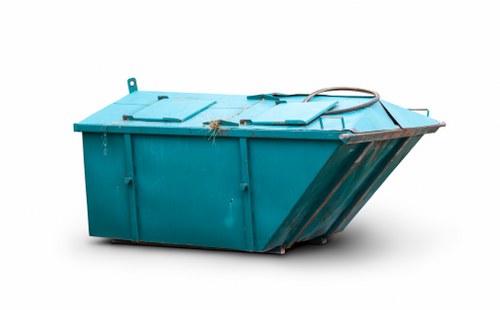 What constitutes a complaint: Examples include repeated missed collections, damage to property during rubbish removal, incorrect invoicing related to business waste accounts, failure to follow agreed collection schedules, and any breach of agreed service terms. Concerns about health and safety or environmental risk from waste handling are also treated as complaints and prioritised. Complaints about pricing or contract terms will be reviewed in line with the relevant service agreement and contractual obligations.
How to raise a complaint
Initial report: Customers are encouraged to report issues as soon as they occur so they can be investigated promptly. When making a complaint, provide clear details such as the date and time of the incident, location, description of the problem, and any supporting evidence (photos, delivery notes, bin numbers). To help us log the issue accurately, please include the account or service reference where available. All complaints are recorded in an internal complaints register to ensure traceability and follow-up.
 Investigation process: Once logged, complaints are acknowledged and assigned to an appropriate complaints handler. An initial acknowledgement will include an estimated timeframe for a full response. The handler will investigate by reviewing service records, interviewing staff involved, assessing CCTV or vehicle tracking data where available, and collecting any supporting documentation. The investigation will be proportionate to the nature and severity of the complaint.
Response and outcome: After investigation, the complainant will receive a written response outlining the findings, conclusions and any corrective actions. Outcomes may include an apology, operational changes, staff retraining, schedule adjustments, or targeted service performance monitoring. In cases where the complaint identifies a systemic issue, a service improvement plan will be developed and implemented to reduce recurrence.
Timescales and priorities
Standard timescales: We aim to acknowledge all complaints within 3 working days and to provide a full response within 15 working days for routine matters. Complex investigations, particularly those involving multiple parties or external contractors, may require longer; in those cases the complainant will be kept updated with progress reports and an expected resolution date. Complaints involving safety or environmental risks are given urgent priority and acted upon immediately.
 Escalation and review: If a complainant is not satisfied with the initial outcome, the matter can be escalated internally for an independent review. The escalation will be conducted by a senior manager not previously involved in the case. A re-evaluation may include fresh evidence or an external audit of the relevant operational process. The escalation stage is designed to provide an additional layer of impartiality and to seek a fair resolution through internal review mechanisms.
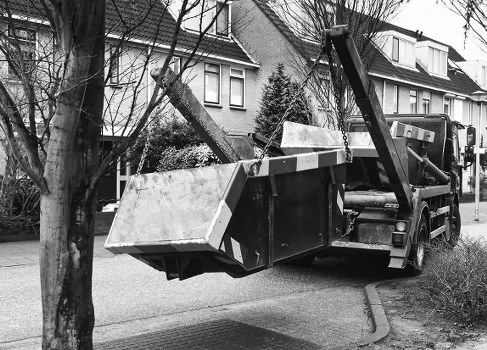 Remedies and closure: Where a complaint is upheld, remedies will be reasonable and appropriate to the harm caused and may include operational corrections, targeted compensation for demonstrable loss, or guarantees of future service performance. Once remedial actions are complete and agreed with the complainant, the case will be formally closed and recorded. Trends and lessons learned from complaints are reviewed periodically to inform ongoing improvements in commercial rubbish collection and waste management services.
Oversight and continuous improvement: All complaints are treated as opportunities to improve. Records of complaints are analysed to identify recurring issues and to shape staff training, route planning and customer service practices. Our objective is to maintain reliable, compliant and customer-focused commercial waste solutions across the Kings Cross service area and adjacent districts, ensuring that businesses receive consistent, professional rubbish collection and business waste management.
Confidentiality and fairness: Complainant details and investigation records are handled confidentially and shared only with those involved in the investigation. We commit to an impartial review process that respects the rights of both customers and staff while delivering clear corrective actions when service standards have fallen short.
Recordkeeping: A clear audit trail is kept for each complaint, including acknowledgement, investigation notes, findings, corrective actions, closure confirmation, and any follow-up reviews. These records support transparency, compliance and continuous service enhancement for all commercial waste services provided in the area.
