Commercial Waste in Kings Cross
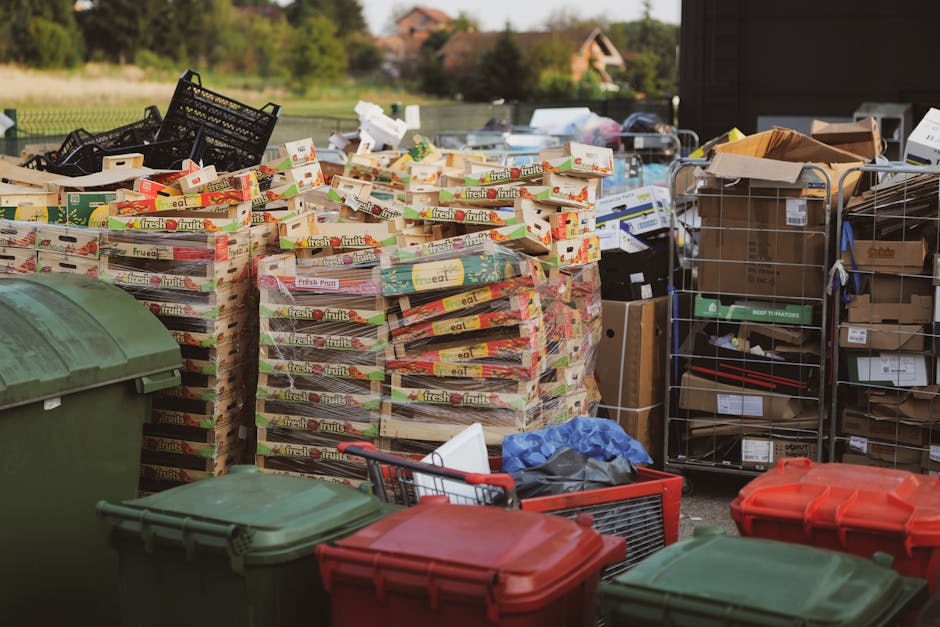
Commercial waste in Kings Cross needs a straightforward, dependable approach: collected material should be separated, handled safely and taken to the right destination with as little disruption to day-to-day trading as possible. We provide a service for businesses that need regular or one-off clearance of mixed commercial waste, office items and other non-hazardous rubbish in the area. The emphasis is on practical removal, sensible sorting and clear communication so the work fits around your operations.
Our service can suit offices, shops, hospitality premises and managed workspaces that generate bulky or bagged waste as part of normal activity. We focus on commercial collections rather than one-size-fits-all assumptions, because different premises produce different materials and require different handling. If you are comparing options, a good starting point is to think about how much waste you produce, what type of items are involved and whether access, lift use or loading arrangements need planning in advance.
To make a request, it helps to outline the main waste stream, the collection point and any access details that may affect the visit. A short description of the items is often enough to begin the conversation. You can also ask for a quotation if you want a clear idea of the likely scope before you commit. For a broader view of related services, see our business waste removal page.
Business waste collections for day-to-day operations
Business waste collection is often the most useful choice when premises produce a steady flow of packaging, office clear-outs, broken fittings or general refuse that cannot simply be left on site. The aim is to remove what is no longer needed without creating extra work for staff. We handle commercial waste as a practical service for businesses that want scheduled or ad hoc clearance rather than a long explanation of disposal methods. The work may include bagged rubbish, mixed material and certain bulky items, provided they can be processed safely and lawfully.
For a clearer picture of the type of work we handle, our waste removal page covers the broader service approach, while the pricing and quotes page is useful if you want to understand what usually affects the final figure. Weight, volume, access, item type and disposal route can all influence the quotation, so the most helpful enquiries are those that explain what is present rather than simply saying “lots of rubbishâ€.
What can influence the collection
- the overall volume of material to be taken away
- whether the waste is loose, bagged or contained in boxes
- the presence of bulky furniture, equipment or fittings
- loading access, parking and any time restrictions on site
- whether the load includes items that need separate handling
Office clearances and workplace changeovers

Office clearance work is usually about restoring usable space quickly and methodically, whether a suite is being reconfigured, a tenancy is ending or older items are being replaced. Typical office waste can include desks, chairs, pedestals, shelving, filing units and mixed office clutter. We also deal with general non-hazardous waste that builds up in cupboards, storage rooms and shared areas. The job is carried out with the aim of keeping disruption to a sensible minimum while leaving the cleared space ready for the next stage.
Where confidentiality matters, shredded or sensitive paper streams need to be separated from ordinary rubbish. If that is part of the requirement, our confidential shredding page describes a related service area, and office clearance is the better fit for larger changes to workspace contents. Commercial customers often find it useful to mention whether lifts, stairwells, loading bays or building management rules will affect the collection, because those details shape how the visit is arranged.
A clear office waste enquiry normally gives the best result when it states what is being removed and from which part of the building. If some items are staying and others are leaving, say so plainly. That helps us distinguish between a simple uplift and a more involved workplace clearance, and it makes it easier to prepare a relevant quotation. Please include the essentials first and the rest can follow in conversation if needed.
Furniture disposal and bulky items from commercial premises
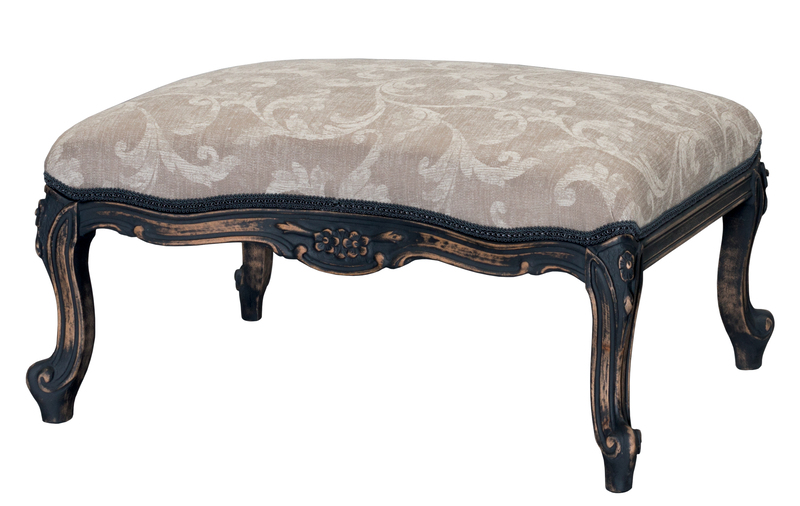
Commercial waste in Kings Cross often includes furniture that is no longer suitable for daily use, such as tables, seating, storage units and reception pieces. Bulky items need careful lifting, sensible dismantling where necessary and routing to the right processing stream. Our furniture disposal work is useful for businesses replacing worn items, reducing clutter or preparing space for new layouts. The focus is on efficient removal rather than leaving customers to coordinate several separate services for one practical job.
Related pages can help you match the service to the item. If you have a mixture of office and domestic-style pieces, the furniture clearance page may be a helpful reference, while larger soft items are discussed on mattress and sofa disposal. For simple wood, metal or mixed furniture, the main task is usually safe collection, careful loading and disposal through the correct route.
Not every item is treated in the same way, so it is sensible to separate reusable furniture from damaged or broken pieces before the collection if that is practical. Doing so can make the load easier to assess and can reduce delays when the team arrives. If items are fixed, awkwardly positioned or require dismantling, include that in your enquiry so the plan reflects the actual work rather than an approximate version of it.
Kitchen, appliance and specialist item removal
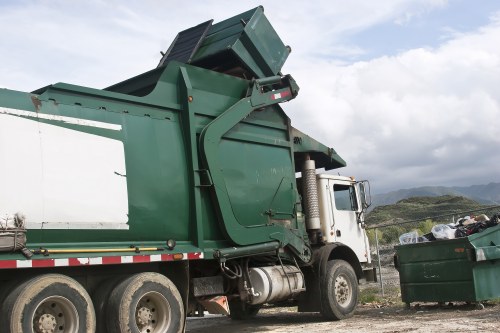
Some commercial waste jobs include appliances or specialist items that need more than a standard rubbish uplift. Fridges, freezers and similar equipment may require separate handling because of their size, weight or internal components. Our fridge and appliance removal page covers that type of work, and it sits alongside the wider commercial waste service when businesses are clearing break areas, staff kitchens or back-of-house spaces. The aim is to remove the item safely and direct it to the appropriate treatment process.
Where damaged or obsolete appliances are involved, the main concern is often access rather than the item alone. A fridge in a basement, a freezer in a narrow service area or a machine behind fixed counters can all take more planning than a single item placed near an exit. If the appliance forms part of a larger clear-out, the collection can usually be organised as one practical job rather than multiple separate visits, provided the items and access are described clearly.
For businesses that are working through a wider premises change, it is sensible to mention any items that need special attention alongside the ordinary waste. That helps avoid confusion and gives a better basis for a quotation. Clear item lists are often more useful than general phrases such as “old equipmentâ€, especially when there are different sizes, weights or storage locations involved.
Building-related waste and refurbishment debris
Commercial premises sometimes need waste removal after light alterations, repairs or strip-out work. That can include broken fixtures, packaging from new installations, timber offcuts, plasterboard fragments and other non-hazardous material arising from construction-related activity. Our builders waste clearance service is designed for that kind of load, where the important points are safe handling, proper segregation where needed and an efficient collection that fits the site conditions.
For jobs involving mixed renovation material, the useful reference page is builders waste clearance. Where a business needs broader guidance about what can be accepted in mixed loads, the what can go in a skip page can help with general expectations, even though the collection method here is different. The key question is always whether the material can be handled safely and lawfully within the scope of the service.
Because refurbishment waste may be heavier and more awkward than routine office rubbish, it is worth noting whether there are stairs, narrow routes or protected surfaces that need care. Access details are particularly useful if the waste is spread across several rooms or stored in a back area. The more accurately the load is described, the easier it is to organise a sensible visit and avoid unnecessary hold-ups.
Reusable items, recycling and responsible sorting
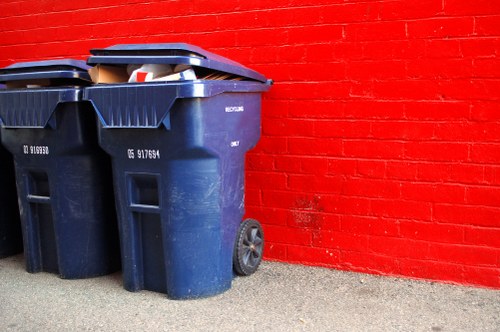
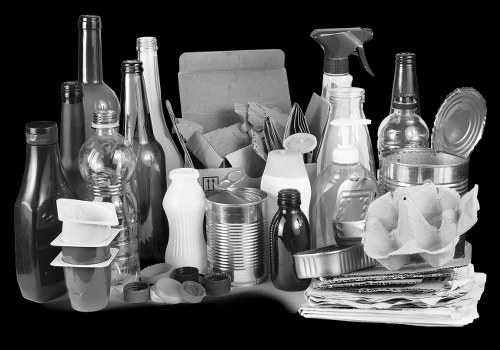
Not every commercial clearance is about simply putting everything into one load. Some premises produce waste that is best separated into reusable, recyclable and residual material before disposal. That matters when office furniture, packaging, plastics, metals or paper are mixed together. Our approach is practical: sort what can be separated, keep the load manageable and send items through the most suitable route available. The service is therefore about waste handling, not just collection.
If sustainability is part of your decision-making, you may want to look at recycling and sustainability for a fuller explanation of that area. It can be especially relevant when a business is replacing equipment or dealing with regular waste streams that include recyclable material. Where suitable, separating items before collection can make it easier to identify what should be diverted away from general disposal and what needs to remain in the main load.
In practice, the most useful contribution a customer can make is to keep similar items together if that is convenient. Mixed loads are common, but the clearer the arrangement, the easier it is to assess what needs special handling. That is particularly true for commercial waste that combines packaging, furniture and old office contents in the same space.
How to prepare a practical quotation request
Most quotation requests go more smoothly when they include a brief description of the waste, where it is located and how much space it occupies. Photographs can help where the load is complex, but they are not always essential; a plain description may be enough for a straightforward job. If there are parking restrictions, managed building rules, loading times or security checks, mention them once so the arrangement is based on the real site conditions rather than an assumption.
The most useful enquiries usually answer three questions: what needs removing, where is it, and is anything awkward about access? That approach works for many forms of commercial waste, from routine office rubbish to larger clear-outs. If you want to compare service scope before asking for a visit, the about us page gives a general overview of the business background, while the booking route is better if you already know the collection needs.
For next steps, keep the request simple and specific. Tell us what needs to go, note any items that should stay and say whether you want a one-off collection or a broader clearance. Then request a quotation once you have the basics together. If the job includes several types of waste, mention the main ones in order of importance so the response can match the actual work.
About Kings Cross
Kings Cross is a central London district that has changed markedly over time, moving from its nineteenth-century transport and industrial associations to a mixed area of offices, homes, education, retail and culture. The name is associated with the crossroads and the historic landmarked house and inn that gave the area its title, although the modern district now extends far beyond that origin point. Its railway presence is one of the best-known features of the locality, with King’s Cross station and nearby St Pancras forming a major gateway into and out of London. Around them, streets such as Pentonville Road, York Way and Euston Road connect the area with surrounding neighbourhoods and the wider city.
Commercial waste collections tailored to the premises
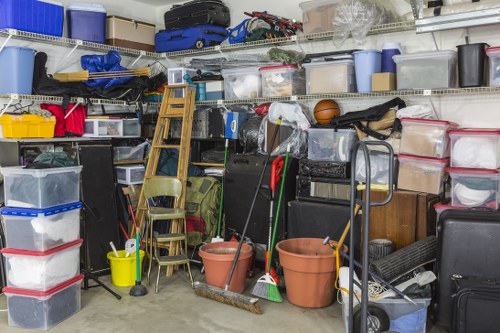
Different commercial premises create different waste patterns, so a sensible service needs to adapt rather than force every job into the same shape. Offices tend to produce mixed furniture and paper; hospitality venues may generate packaging and kitchen-related waste; retail units often need assistance with stockroom clear-outs and display fittings. Our role is to remove those materials in a way that suits the premises, the access arrangements and the timing of the collection. The result is a more workable service for businesses that need the site cleared without unnecessary disruption.
For customers who want to plan around a broader business change, the best approach is to link the waste job to the actual stage of the premises rather than to a generic checklist. A move, refurbishment, storage tidy-up or end-of-lease clearance can all require different handling. Where suitable, related service pages such as home clearance or house clearance may be useful for understanding how item removal is structured, although the commercial service remains the correct starting point for business premises.
If you are ready to arrange removal, keep the enquiry factual and concise, then ask for a quotation based on the material and access described. We can then respond with a service that reflects the scale of the job rather than a generic estimate. Contact us when you are ready to discuss the collection in more detail.