Commercial Waste Kings Cross — Recycling and Sustainability
Commercial Waste Kings Cross is committed to creating an eco-friendly waste disposal area across the King's Cross commercial district. Our approach balances high-performance collection with measured sustainability goals, ensuring businesses deliver less to landfill and more for reuse. This page explains our targets, local transfer stations, charity partnerships and the low-carbon fleet that serves the area.Our Recycling Targets and Performance
We set ambitious, measurable goals for commercial waste in Kings Cross. Our headline target is a 70% recycling rate by 2028 for all managed commercial streams, with intermediate milestones reported annually. In parallel we aim for a 90% diversion of properly segregated materials away from landfill through reuse, recycling and energy recovery. These targets are core to our sustainable rubbish area strategy.
Local Transfer Stations and Logistics
We consolidate collections at nearby, authorised transfer stations to reduce vehicle miles and improve sorting efficiency. Local transfer hubs include Camden-area transfer facilities and borough transfer points serving Islington and neighbouring boroughs, enabling fast onward movements to material recovery facilities (MRFs) and composting sites. Key benefits include reduced double-handling, lower emissions and higher quality recycling outputs.Partnerships with Charities and Reuse Organisations
Our Kings Cross commercial waste service works closely with charities and social enterprises to maximise reuse. Regular partnerships include donation collections for local organisations such as community shelters, employment-focused charities and refurbishment social enterprises. These channels keep usable office furniture, textiles and equipment in circulation and support local communities.We maintain formal agreements and scheduled pick-ups with charity partners, ensuring material traceability and clear reuse routes. Collaboration is focused on creating measurable social and environmental value: less disposal, more second-hand use, and documented outcomes for each donated load.
Material-Specific Recycling Activity
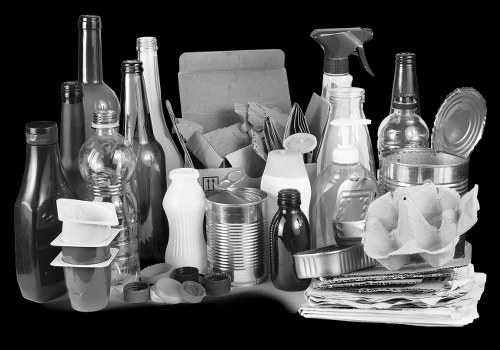
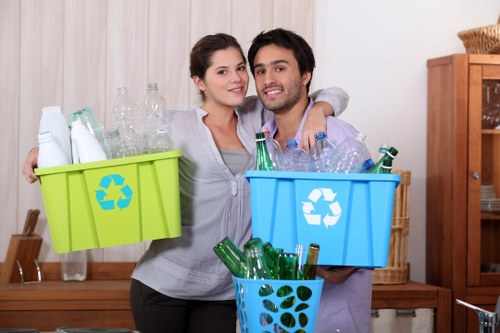
In line with boroughs' approach to waste separation, we support separate collections for dry recycling, mixed organics and residual waste. Typical streams handled across Kings Cross commercial sites include:- Paper and cardboard — baled at transfer stations and sent to local paper mills.
- Glass and metals — separated for container recycling and re-smelting.
- Food waste — routed to anaerobic digestion or industrial composting.
- WEEE and small appliances — collected for certified hazardous processing and material recovery.
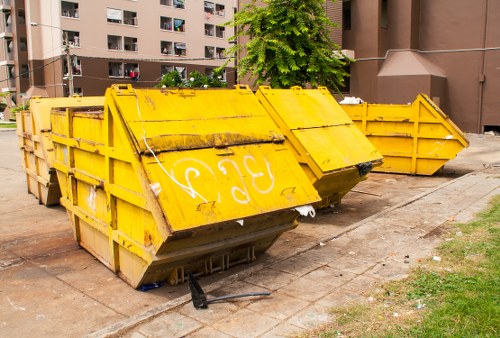
- Construction and demolition — segregated inert materials for crushing and reuse in local projects.
To align with the borough-level separation policies, Commercial Waste Kings Cross provides clear labelling and container solutions that reflect Camden and Islington guidance on kerbside and communal collections. We advise on container placement in the sustainable rubbish area to prevent contamination and improve capture rates.
Fleet and Low-Carbon Vehicles: our fleet is progressively electrified. We operate a mix of electric vans, plug-in hybrids and Euro 6 low-emission vehicles to reduce local air pollution and carbon intensity. Route optimisation and consolidation reduce unnecessary journeys, and our charging infrastructure plan supports further electrification of medium and heavy vehicles serving central London.
Operational measures to lower emissions include consolidated drop-off at nearby transfer points, scheduled night-time shifts where appropriate to avoid congestion, and use of cargo e-vans for last-mile collections in pedestrianised zones. These practices help create a truly eco-friendly waste disposal area around King’s Cross.
We also invest in on-site technology and infrastructure for the sustainable rubbish area: compactors, balers and segregated bays improve material quality and reduce transport volumes. Staff are trained in contamination reduction and material recognition to boost recycling percentages across sites.
Monitoring, Reporting and Continuous Improvement: transparent KPI reporting lets businesses track progress against the 70% recycling target and other sustainability metrics. We publish annual diversion reports and carbon calculations for managed accounts, using recognised conversion factors and lifecycle methods to quantify emissions saved through recycling and reuse.
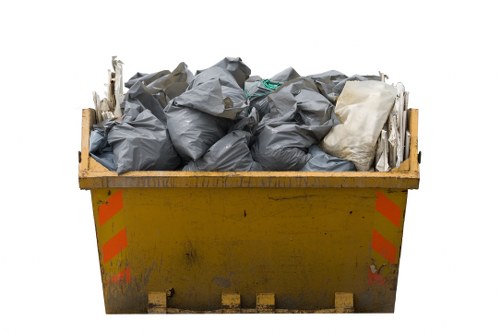 Operational best practice in the Kings Cross commercial waste landscape includes scheduled audits, visual inspections, and collaborative behaviour-change initiatives with tenants and facilities teams. These measures reduce contamination, uplift capture rates for organic and high-value recyclates, and increase the overall environmental performance of the commercial waste in Kings Cross footprint.